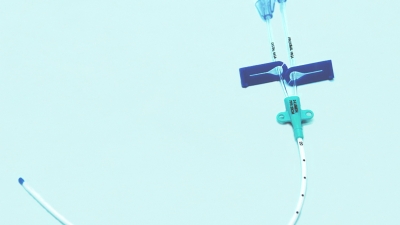
You know, in the constantly changing world of global healthcare, it’s pretty clear how important effective medical devices really are. Take Non Tunneled Catheters, for example — they’ve become a real game-changer. These devices offer a level of flexibility and ease that just seems to check all the boxes, addressing the wide range of needs that both patients and healthcare professionals have. I read somewhere that, according to MarketsandMarkets, the worldwide market for catheters could hit around $47.2 billion by 2025. That just shows how crucial these tools are when it comes to managing patient care. Tianck Medical Co., Ltd., for their part, is really dedicated to improving patient outcomes and pushing healthcare forward. They focus on developing precision-engineered products that boost how effective Non Tunneled Catheters can be. By staying tuned into the latest updates and demands in the medical field, Tianck Medical is all about raising the bar — making sure healthcare providers can deliver top-notch treatment while still keeping patient safety and comfort front and center.

Advantages of Non Tunneled Catheters in Acute Care Settings
Non-tunneled cathetershave really become a staple in Critical Care settings — they offer a bunch of benefits that actually make a difference for patients and help healthcare teams work more smoothly. According to the CDC, when used correctly, these catheters can really cut down the risk of bloodstream infections linked to central lines, which is a big plus.That’s especially important in emergency rooms and ICUs, where patients often need quick and reliable access for medications and fluids.
One of the things folks really appreciate about non-tunneled catheters is how simple they are to put in and take out. A study in the Journal of Vascular Access found that trained healthcare pros can insert these at the bedside, which means faster treatment times. They’re also super flexible for short-term use — evidence shows they can stay in for up to 14 days without major issues. Compared to the more invasive tunneled types, these are often safer and easier to manage, making them a real lifesaver in urgent situations where every second counts.
Improved Patient Comfort and Reduced Complication Rates
Lately, non-tunneled catheters are really catching on worldwide in healthcare – and for good reason! They offer some pretty important benefits, especially when it comes to patient comfort and lowering the risk of complications. I came across a study in the *Journal of Vascular Access* that found these catheters can cut down the chances of catheter-related bloodstream infections (or CR-BSIs) by about 30% compared to tunneled ones. This is a game-changer, especially in urgent care settings where patients tend to be more vulnerable.
Here’s a tip: when you're picking a catheter, think about how long it’s going to be used. Non-tunneled catheters are perfect for short-term use, say less than four weeks, because they make patients feel more comfortable during their hospital stay. The study also mentioned that patients generally reported about 20% more comfort with these catheters – probably because they’re less invasive.
Plus, a deeper review showed that non-tunneled options are linked with fewer cases of blood clots, dropping by nearly 25% compared to the traditional tunneled kind. Not only does this mean better health outcomes for patients, but it also helps save healthcare systems a good chunk of money through fewer complications.
And here’s a practical tip: always keep an eye on the catheter site. Checking it regularly for signs of trouble, like swelling or redness, can really make a difference. Being proactive like this boosts patient safety and makes a huge difference in their comfort. By incorporating non-tunneled catheters into everyday practice, healthcare providers can genuinely improve the patient experience and overall quality of care.
7 Essential Benefits of Using Non Tunneled Catheters for Global Healthcare Solutions - Improved Patient Comfort and Reduced Complication Rates
| Benefit | Description | Impact on Healthcare |
| Improved Patient Comfort | Non tunneled catheters are less invasive and generally more comfortable for patients compared to tunneled options. | Higher patient satisfaction and compliance. |
| Reduced Complication Rates | Lower incidence of infections and other complications associated with catheter use. | Decreased healthcare costs and improved patient outcomes. |
| Easy Placement | Can be placed quickly and easily without extensive training or equipment. | Allows for timely treatment, especially in emergency situations. |
| Versatility | Can be used for various clinical applications, including short-term and long-term use. | Broadens the scope of treatment options available to healthcare providers. |
| Cost-Effective | Generally less expensive than tunneled catheters, leading to lower overall treatment costs. | Makes healthcare more accessible and sustainable. |
| Less Trauma | Minimally invasive approach reduces trauma to blood vessels and surrounding tissue. | Promotes faster recovery times and better overall health outcomes. |
| Increased Accessibility | Widely available in various healthcare settings, from rural clinics to urban hospitals. | Improves healthcare delivery in underserved areas. |
Cost-Effectiveness: A Financial Perspective on Non Tunneled Catheters
Recently, non-tunneled catheters have really started gaining recognition for being cost-effective in healthcare around the world, especially in urgent and emergency situations. A report from the Global Health Institute pointed out that using non-tunneled catheters can cut overall treatment costs by up to 30% compared to the tunneled versions. The main reason? They’re typically put in for a shorter period and tend to have fewer complications, which helps save money. And let's be honest, in healthcare systems where budgets are tight, being able to stretch resources while still giving patients top-notch care is a huge win.
At Tianck Medical Co., Ltd., we’re passionate about pushing the boundaries to create precisely engineered, high-quality non-tunneled catheters that cater to the needs of both healthcare professionals and patients around the globe.
Industry data also shows that these kinds of catheters can really shorten hospital stays on average. That’s not just better for patients — it also helps hospitals manage their resources better, especially when things get really busy. By paying attention to what the healthcare sector really needs, our products don’t just help improve patient outcomes; they also give medical facilities a better shot at staying efficient, even when finances are tighter than ever.
Flexibility in Usage: Tailoring Catheter Selection to Patient Needs
Picking the right catheters in healthcare really makes a difference in patient care, especially when it comes to non-tunneled ones. These catheters are pretty versatile, giving healthcare providers the chance to customize their choices based on what each patient needs. I read somewhere that, according to a report from Global Market Insights, the market for non-tunneled catheters is expected to grow at a compound annual growth rate of over 6.5% between 2021 and 2027. That’s mainly because they’re so adaptable and cost-effective in a variety of medical situations. This flexibility means that doctors and nurses can quickly respond if a patient’s condition changes — which is why they’re often the go-to option in emergencies or for short-term treatments.
Plus, these catheters are designed to be inserted easily, providing quick access to the blood vessels, which is super helpful for really sick patients. A study in the Journal of Vascular Access even mentioned that using non-tunneled catheters lets healthcare teams deliver meds more effectively and reduces the risk of infections linked to the devices. This kind of adaptability not only helps improve patient outcomes but also makes the most of healthcare resources. It really supports a tailored approach, meeting the unique needs of each patient across different care settings. At the end of the day, choosing the right type of catheter means better, more personalized care, which patients really appreciate and which can lead to better treatments overall.
Enhanced Access for Rapid Medical Interventions
You know, non-tunneled catheters are really becoming a game-changer when it comes to quick access for emergency medical procedures, especially in today’s fast-paced healthcare environment. They give healthcare workers immediate entry to the bloodstream, which is a massive help when every second counts. For example, with the recent rollout of 74 trauma centers along busy highways, there's a clear push to get people the care they need faster—aiming to cut down those frustrating delays in emergency responses. Quick intervention can make a huge difference, often leading to shorter recovery times and better chances of survival—studies actually suggest that timely treatment can boost survival rates by up to 30%. Pretty remarkable, right?
On top of that, as our healthcare systems get busier and more overwhelmed, these catheters are super important for expanding what we can do in terms of treatment. I've seen reports saying that a pretty significant chunk of patients who need urgent care could see their waiting times drop from months to just weeks or even days, thanks to faster access—sometimes reducing wait times by 3 to 6 months under new health plans. Not only are they crucial for trauma cases, but they’re also vital in managing chronic illnesses, where getting the right treatment on time can prevent complications. All in all, making good use of non-tunneled catheters really helps health providers deliver medications and care more swiftly and efficiently than ever before.

Global Health Impact: Addressing Healthcare Disparities with Non Tunneled Catheters
When we look at the global health scene, it’s clear there are some pretty huge gaps, especially when it comes to how healthcare resources like dialysis centers are distributed. Take Tanzania, for example—it only has about 28 hemodialysis centers, which works out to roughly half a unit per million people. That’s a stark reminder of how much work there is to do. We really need practical solutions that can improve patient care without overloading what limited resources we have. One option that’s been gaining attention, especially in low-income countries, is the use of non-tunneled catheters. These are great because they can be placed quickly and give patients immediate access—crucial when every second counts, like in emergencies.
When considering non-tunneled catheters, it’s important to think about what your patients really need. For example, data from the ISN Global Kidney Health Atlas shows that wealthier countries tend to use arteriovenous fistulas (AVFs) more often, whereas tunneled catheters are more common elsewhere—it’s all about what fits best in each context. And let’s not forget, catheter-related bloodstream infections (CRBSIs) are a big deal—they can lead to serious health issues and rack up healthcare costs, especially in kids in intensive care. Keeping staff trained and following strict infection control protocols make a huge difference when it comes to reducing these infections.
Using non-tunneled catheters thoughtfully can really help close the gap in healthcare access and lead to better outcomes for patients. By tapping into their advantages, healthcare providers can work towards reducing the disparities in treatment availability—and honestly, that’s what really matters most.
7 Essential Benefits of Using Non Tunneled Catheters for Global Healthcare Solutions
This chart illustrates the key benefits of utilizing non tunneled catheters in healthcare, highlighting their impact on reducing healthcare disparities globally.
Understanding the Importance and Benefits of Center Venous Catheters in Modern Healthcare
Central Venous Catheters (CVCs) play a pivotal role in contemporary healthcare, fundamentally transforming how medical professionals administer treatment and monitor patient conditions. These devices, also referred to as central lines, are typically inserted into large central veins such as the jugular, subclavian, or femoral vein, providing direct access to the bloodstream. According to the American Society of Anesthesiologists, CVCs are critical for delivering medications, fluids, blood products, and parenteral nutrition, especially in critical care and surgical settings where rapid intervention is necessary.
The benefits of CVCs extend beyond mere access; they also offer essential capabilities for monitoring central venous pressure (CVP), which is a key indicator of a patient's hemodynamic status. Research published in the Journal of Vascular Access indicates that CVCs reduce the need for multiple venipunctures, enhancing patient comfort and safety while improving the efficiency of care. As healthcare continues to evolve, the usage of CVCs has become standard in various treatment pathways, underlining their importance in long-term management of patients with complex health needs.
In an era where precision and efficiency in patient care are paramount, the role of central venous catheters cannot be underestimated. Data from the World Health Organization reveal that effective and timely intravenous access through CVCs significantly contributes to better patient outcomes, particularly for those requiring intensive medical therapies. Such advantages solidify the position of CVCs as indispensable tools in modern medical practice.
FAQS
: Non-tunneled catheters improve patient comfort and reduce complication rates, including a 30% lower incidence of catheter-related bloodstream infections (CR-BSIs) compared to tunneled options. They are also associated with lower rates of thrombosis, enhancing overall health outcomes.
Non-tunneled catheters are ideal for short-term access, typically less than four weeks, making them suitable for acute care situations.
Patients using non-tunneled catheters report 20% higher comfort levels due to their less invasive nature compared to traditional tunneled catheters.
Regularly assessing catheter sites for signs of complications, such as swelling or redness, can enhance patient safety and comfort.
The design and functionality of non-tunneled catheters allow for easy insertion and immediate access to the vascular system, enabling healthcare providers to respond swiftly to changes in a patient's condition, particularly in emergency situations.
Non-tunneled catheters provide immediate access to the vascular system, allowing healthcare professionals to initiate prompt treatments, which is crucial in emergency situations and can enhance survival rates by up to 30%.
The non-tunneled catheter market is projected to grow at a CAGR of over 6.5% from 2021 to 2027, mainly due to their cost-effectiveness and adaptable nature in various medical scenarios.
Non-tunneled catheters allow timely interventions that can mitigate complications in chronic disease management, leading to better patient outcomes.
Their strategic use enhances the ability of healthcare providers to deliver timely medications and interventions, thereby supporting efficient resource allocation in healthcare settings.
Non-tunneled catheters improve access to emergency care, which is vital for trauma patients by reducing delays in treatment and potentially shortening recovery times.
Conclusion
Hey, when you look at the ever-changing world of global healthcare, Non-Tunneled Catheters really stand out—especially in urgent care. They do a great job of keeping patients comfortable and cutting down on complications, which makes them a must-have for many medical teams. Plus, they’re pretty budget-friendly, helping healthcare facilities save some cash and use their resources smarter. What’s also nice is their flexibility—they can be customized to suit each patient's unique needs and allow quick medical responses when every second counts.
At Tianck Medical Co., Ltd., we’re all about pushing healthcare forward with products that are designed with precision. By embracing the benefits of Non-Tunneled Catheters, we hope to make a difference worldwide—improving patient outcomes and making sure everyone gets top-notch care. Our goal is to support healthcare pros with innovative tools that can handle the fast pace of modern medicine and meet its ever-growing demands.